
Appena arrivato in Sardegna, già mi trovo a raccontare cos’è un blog!
Vacanza, vacanza.
Il 90% dei visitatori occasionali arriva a questo sito tramite Google. Se di solito la ricerca più frequente riguarda l’ADSL, nelle ultime settimane cercano tutti il Capo di Coda Cavallo, meta delle mie vacanze da sempre.
Perché ti dico questo? perché domani parto! Proverò a bloggare via email, con cellulare e Palm, ma non aspettarti molto. Ci vediamo a settembre.
Nel frattempo a Londra espone il fotografo svizzero Weinberger (parente?), con una strana mostra sui beatniks zurighesi degli anni ’50: strana gente!
La radio “peer to peer”
Forse una delle idee più interessanti di internet, almeno per me, almeno in questo momento, è quella del peer to peer, ovvero la disintermediazione del server. Questa sera ho scoperto e mi diverto con la radio “fai da te”, i cui componenti sono:
Winamp (ma credo ci vuole la versione 2)
Shoutcast
Peercast
Oddcast
Citando dall’introduzione a Peercast:
PeerCast is a robust network because there is no central server, each user can be a client, server or broadcaster of streams. It offers anonymity for broadcasters because there is no easy way to trace back to the original stream, it is even possible to broadcast directly to a single client located in a different country and have that provide the source for the entire network.
Ma ti rendi conto? ogni partecipante può essere cliente, server o broadcaster, anche con una connessioncina da 56Kbps!
E’ tutta la sera che ascolto bootlegs dei Pink Floyd, messi a disposizione chissà dove chissà da chi, per il puro gusto di condividere. Non ti pare una cosa fantastica? Io sono totalmente affascinato.
Gli standards della TV Digitale
A Brief History of HDTV explains all (original author unknown):
- Broadcast Industry asks for bandwidth for HDTV
- FCC says
OK, we’ll set aside bandwidth for HDTV. What standards?- Industry says
No standards, pleaseand comes up with EIGHTEEN recommended formats for HDTV. I am not shitting you.- FCC says
Isn’t 18 different standards a bit much?- Industry says
Shut the f!@# up FCC, we know what we are doing. Themarketwill handle this!- Consumer Electronics dudes whine
18 formats make every thing cost more, you are f!@#ing us!- FCC says
OK, it’s your call on standards, 18 formats is fine, in fact there are NO STANDARDS AT ALL, because we areletting the market decide, but you start broadcasting HDTV now or we take back the FREE bandwidth.- Industry says
What? We really just want the free bandwidth. You really want us to do HDTV??- Congress says
F!@# you Industry. Broadcast HDTV or we’ll legislate your asses back to Sunday!- Industry says
We’re f!@#ed. 18 formats? Why the hell did we do that? Let’s change it.- Consumer Electronics dudes say
You ain’t changing shit. We are already building the boxes you said you wanted built.- FCC says
Yah, ya boneheads, we told you 18 was too many, now you gotta live with it.- Industry says
Well FCC, will you at least make the cable companies carry the HDTV at no charge?- Cable companies say
F!@# you! You gotta pay! Bwah-ha-ha-ha!- FCC says
Yep, no federal mandate on carrying HDTV, we are lettingthe markethandle that.- Industry says
We are so f!@#ed. We are spending 5-10 million per TV station in hardware alone and have 1000 HDTV viewers per city, even in LA!- Consumer at home says
Where is my HDTV? Why does it cost so much? F!@# it, I’m sticking with cable/DirecTV.- Consumer electronics dudes, broadcast industry, FCC, and Congress all cry. Cable companies laugh and make even bigger profits.
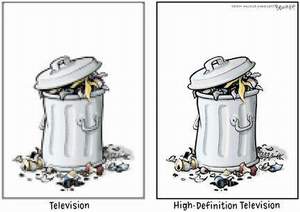
Grazie a dive into Mark per la segnalazione
Namaste
Stasera dopo secoli sono stato a mangiare in un ristorante indiano, Namaste appunto, e mi è piaciuto tutto tranne:
tre informatici al tavolo vicino che hanno passato la sera a gridare di informatica, e quante volte hanno dovuto riavviare il server, e i bachi di Windows, e “perchè gli informatici in Italia non hanno capito una cosa”, e non tacevano neanche mentre mangiavano il pollo tandori.
Che palle! Ho chiesto a mia moglie: “Se un giorno divento così, ti prego, sparami”.